

Understimulation exists and it’s making you more stressed
A lesson from my therapist on being too relaxed

If there was a Spotify Wrapped for the things I say in a year, I’d bet that the phrases “high cortisol” or “too much cortisol” would make the top 5.
I’m hyperaware of when something is elevating my cortisol to a level I deem too high (like my husband turning on the big bright white lights in the evening) and have recently been focusing on regulating my nervous system in an effort to lower my cortisol.
Enter: music-less car rides, candlelit showers with a relaxing bath playlist, mentally detaching from my workplace and lowering the intensity of my workouts (among other things). Sounds like bliss and it was for a while, but one day I woke up feeling flat and bored with my job and my life.
How does understimulation come about?
It turns out that there is such a thing as understimulation, which sounds like a dream for someone who is highly experienced in overstimulation, but can quickly lead to stress if unattended to.

As my therapist put it, if you’re going home from work everyday and not doing anything but watching TV or scrolling on your phone (two of my favourite hobbies, thank you very much), your thoughts just simmer and float around you like a dark cloud.
Even though it feels like we’re distracting ourselves with these easy, mindless activities, the very fact that they’re mindless means that there’s no route for the thoughts to leave your brain and body. And if you’re prone to unhelpful thinking like I am, this can ironically lead to more stress as the thoughts get stuck in your nevous system.
In a similar vein, I’d long felt lucky about the lack of concrete deadlines in my job, but this too had contributed to my job dissatisfaction and understimulation. It turns out that spiralling about my problems instead of focusing on my work was making me stressed (no way!!!) and, to top it off, the guilt of not being productive at work was exacerbating this stress.
How do I fix understimulation?
It seems like I overregulated my nervous system (so I’m an overachiever right??) and needed to introduce more stimulation in my life. Going for a run or doing a higher-intensity workout (rather than walking or sitting on the couch ruminating) actually burns more cortisol which is contrary to my long-held belief that higher intensity workouts would spike my cortisol.
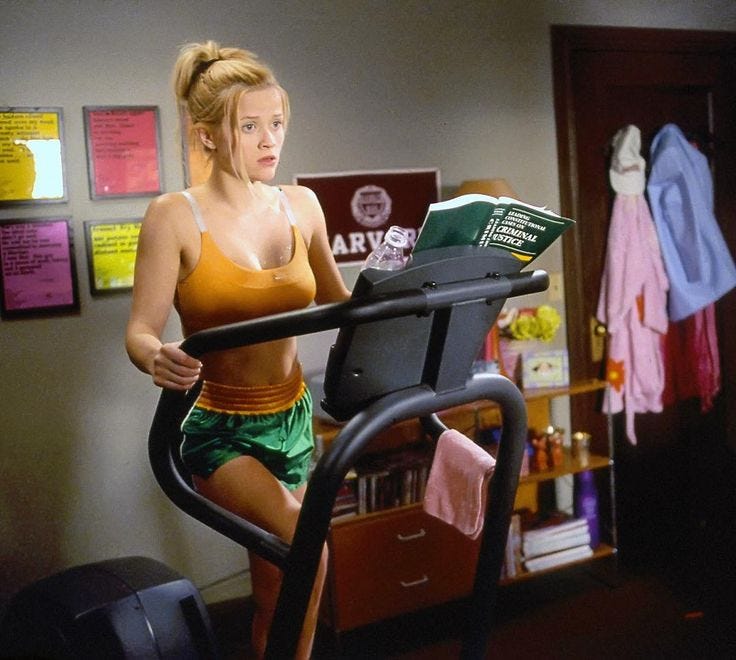
What about fixing understimulation at work? Quit your job!! (only kidding, please don’t — unless…) All jokes aside, I set my own deadlines and happened to take on some more urgent pieces of work, putting my brain to good use. In the long term, I’d suggest even considering looking for a new job eventually if that’s an option, but that’s a topic for another day (or article).
I’m not perfect and who knows, maybe I’ll swing too far in the other direction one day. But for now, the number of anxious thoughts I have have significantly reduced because they’re too busy being pushed out in the 150kg sled at the gym (3 times my weight btw!) and in the exasperated breaths I take after a hard run.
And that’s more than good enough for me.
Securely yours,
Jess xx